.png)
Understanding Modern Military Defense Solutions
- gloriajoyk28
- Jan 13
- 4 min read
In an era marked by rapid technological advancements and evolving geopolitical landscapes, the need for robust military defense solutions has never been more critical. Nations around the world are investing heavily in modernizing their defense capabilities to address emerging threats, from cyber warfare to traditional military confrontations. This blog post delves into the various aspects of modern military defense solutions, exploring their significance, components, and the future of defense technology.

The Importance of Modern Military Defense Solutions
As global tensions rise and new threats emerge, the importance of effective military defense solutions cannot be overstated. These solutions are essential for:
National Security: Protecting a nation's sovereignty and territorial integrity.
Deterrence: Preventing potential adversaries from engaging in hostile actions.
Crisis Management: Responding effectively to conflicts and humanitarian crises.
Technological Superiority: Maintaining an edge over potential adversaries through advanced technology.
Evolving Threat Landscape
The nature of threats faced by nations has evolved significantly. Traditional warfare is now complemented by:
Cyber Attacks: Targeting critical infrastructure and sensitive data.
Asymmetric Warfare: Engaging in unconventional tactics that exploit weaknesses.
Terrorism: Addressing non-state actors that operate outside traditional military frameworks.
Key Components of Modern Military Defense Solutions
Modern military defense solutions encompass a wide range of technologies and strategies. Here are some of the key components:
Advanced Weaponry
The development of advanced weaponry is crucial for maintaining military effectiveness. This includes:
Precision-Guided Munitions: Weapons that can accurately strike targets with minimal collateral damage.
Directed Energy Weapons: Systems that use focused energy, such as lasers, to disable or destroy targets.
Hypersonic Missiles: Capable of traveling at speeds greater than Mach 5, these missiles pose a significant challenge to existing defense systems.
Cyber Defense
With the increasing reliance on digital infrastructure, cyber defense has become a cornerstone of military strategy. Key aspects include:
Threat Detection: Identifying and neutralizing cyber threats before they can cause harm.
Incident Response: Rapidly addressing breaches to minimize damage.
Training and Awareness: Ensuring personnel are equipped to recognize and respond to cyber threats.
Intelligence, Surveillance, and Reconnaissance (ISR)
ISR capabilities are vital for informed decision-making in military operations. This includes:
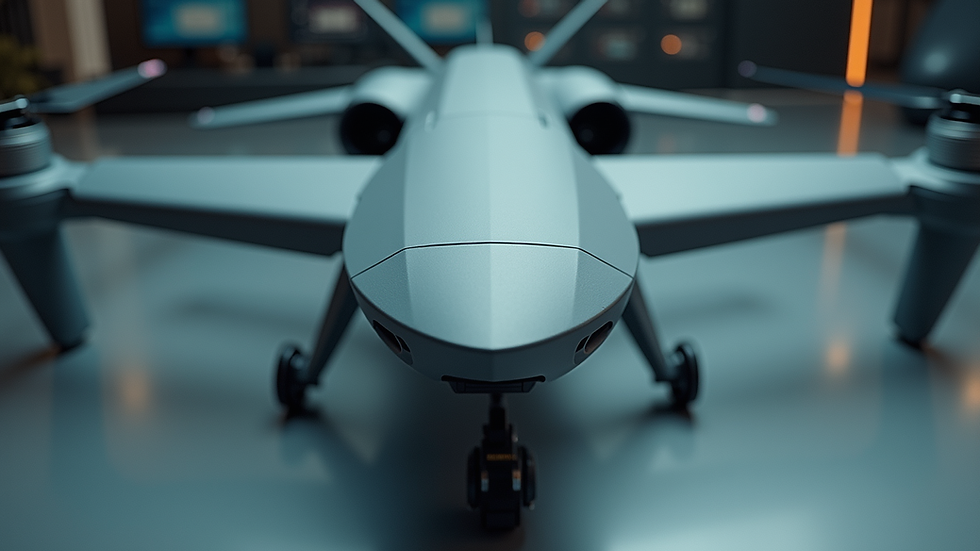
Drones and UAVs: Unmanned aerial vehicles that provide real-time intelligence and surveillance.
Satellite Systems: Offering global coverage for monitoring and reconnaissance.
Data Analytics: Utilizing big data to analyze trends and predict potential threats.
Joint Operations and Interoperability
Modern military operations often involve collaboration between different branches of the armed forces and allied nations. Key considerations include:
Joint Training Exercises: Ensuring all branches can work together effectively.
Interoperable Systems: Developing technologies that can communicate across different platforms and nations.
Strategic Alliances: Forming partnerships to enhance collective defense capabilities.
The Role of Technology in Defense Solutions
Technology plays a pivotal role in shaping modern military defense solutions. Here are some of the most impactful technologies:
Artificial Intelligence (AI)
AI is revolutionizing military operations by enhancing decision-making processes and automating tasks. Applications include:
Predictive Analytics: Anticipating enemy movements and potential threats.
Autonomous Systems: Drones and ground vehicles that can operate without human intervention.
Enhanced Training: Simulations that adapt to individual learning styles for more effective training.
Robotics and Automation
Robotic systems are increasingly used in various military applications, including:
Logistics and Supply Chain: Automated systems that streamline the movement of supplies.
Explosive Ordnance Disposal: Robots that safely neutralize explosives.
Combat Support: Unmanned ground vehicles that assist in reconnaissance and logistics.
Advanced Communication Systems
Effective communication is essential for coordinated military operations. Modern solutions include:
Secure Communication Networks: Ensuring that sensitive information remains protected.
Satellite Communication: Providing reliable connectivity in remote areas.
Mobile Command Centers: Enabling real-time communication and decision-making on the battlefield.
Challenges in Implementing Modern Defense Solutions
While the benefits of modern military defense solutions are clear, several challenges must be addressed:
Budget Constraints
Many nations face budget limitations that can hinder the development and procurement of advanced defense technologies. Prioritizing spending and finding innovative funding solutions are essential.
Rapid Technological Change
The pace of technological advancement can make it difficult for military organizations to keep up. Continuous training and adaptation are necessary to ensure personnel can effectively utilize new technologies.
Cybersecurity Risks
As military systems become more interconnected, they also become more vulnerable to cyber threats. Ensuring robust cybersecurity measures are in place is critical to safeguarding sensitive information and operational capabilities.
The Future of Military Defense Solutions
Looking ahead, the future of military defense solutions will likely be shaped by several trends:
Increased Investment in R&D
Nations will continue to invest in research and development to stay ahead of emerging threats. This includes exploring new technologies such as quantum computing and biotechnology.
Greater Emphasis on Cyber Defense
As cyber threats become more sophisticated, military organizations will prioritize cybersecurity measures. This will involve not only technology but also training personnel to recognize and respond to cyber threats.
Enhanced International Collaboration
Global security challenges require collaborative solutions. Nations will increasingly work together to share intelligence, resources, and technology to address common threats.
Conclusion
Modern military defense solutions are essential for ensuring national security in an increasingly complex world. By investing in advanced technologies, fostering international collaboration, and addressing emerging threats, nations can build robust defense capabilities that protect their interests and promote global stability. As we move forward, the focus must remain on adaptability and innovation to meet the challenges of tomorrow.
In this dynamic landscape, staying informed and engaged with the latest developments in military defense solutions is crucial for anyone interested in national security and global affairs.

Comments