.png)
Top Innovations in Defense Gear for Security Forces
- gloriajoyk28
- Jan 13
- 3 min read
In an era where security threats are evolving rapidly, the need for advanced defense gear for security forces has never been more critical. Innovations in technology are reshaping how security personnel operate, ensuring they are better equipped to handle various challenges. This blog post explores some of the most significant advancements in defense gear, highlighting their features and benefits.

The Rise of Smart Technology in Defense Gear
Wearable Technology
Wearable technology has made significant strides in defense gear. Devices such as smart helmets and body cameras are now equipped with augmented reality (AR) capabilities. These innovations allow security personnel to receive real-time information, enhancing situational awareness. For instance, smart helmets can display critical data, such as maps and enemy locations, directly in the line of sight, allowing officers to make informed decisions quickly.
Smart Fabrics
Another exciting development is the use of smart fabrics in uniforms. These materials can monitor vital signs, detect environmental hazards, and even provide communication capabilities. For example, uniforms embedded with sensors can alert commanders if an officer is injured or exposed to harmful substances, enabling a rapid response.
Enhanced Protection Gear
Advanced Body Armor
The evolution of body armor has been remarkable. Modern body armor is lighter, more flexible, and offers better protection than ever before. Innovations such as graphene-infused materials provide enhanced strength while reducing weight. This allows security forces to maintain mobility without compromising safety. Additionally, some body armor now includes integrated cooling systems to help officers manage heat during intense operations.
Ballistic Shields
Ballistic shields have also seen significant improvements. New designs incorporate lightweight materials that do not sacrifice protection. Some shields are now equipped with transparent panels that allow for better visibility while still providing coverage. This innovation is crucial during hostage situations or active shooter scenarios, where every second counts.
Communication and Coordination Tools
Tactical Communication Systems
Effective communication is vital for security forces. Modern tactical communication systems have evolved to include encrypted channels, ensuring secure communication even in hostile environments. These systems often integrate with other technologies, such as drones and surveillance cameras, allowing for coordinated responses to threats.
Drones for Surveillance
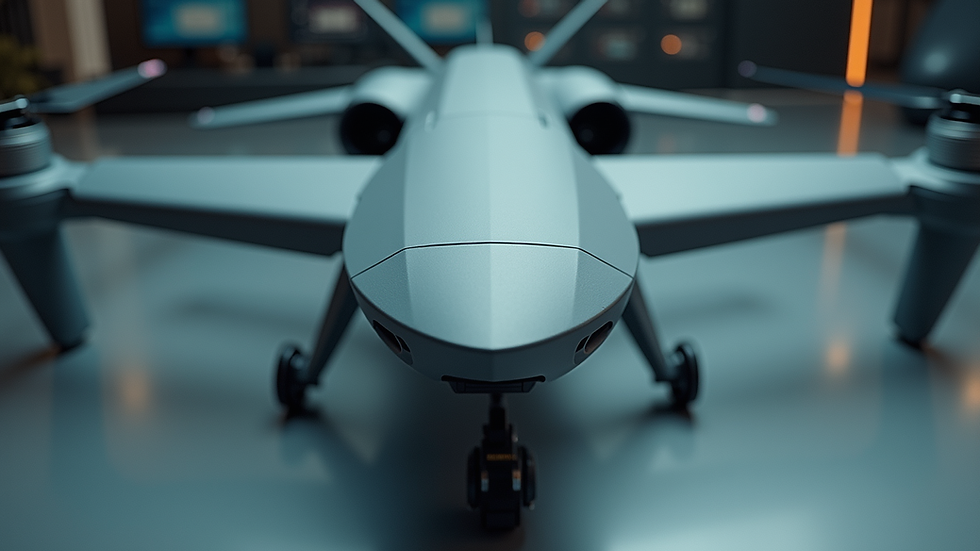
Drones have become invaluable tools for security forces. Equipped with high-definition cameras and thermal imaging, drones can provide real-time surveillance of areas that may be difficult to access. This technology allows for better planning and execution of operations, reducing risks to personnel.
Mobility Enhancements
All-Terrain Vehicles
Mobility is a key factor in the effectiveness of security forces. All-terrain vehicles (ATVs) have been designed to navigate various environments, from urban landscapes to rugged terrains. These vehicles often come equipped with advanced navigation systems and can carry essential gear, allowing officers to respond quickly to incidents.
Exoskeletons
One of the most futuristic innovations is the development of exoskeletons. These wearable robotic suits enhance the strength and endurance of security personnel, allowing them to carry heavier loads and operate for extended periods without fatigue. This technology is still in its early stages but holds great promise for the future of defense gear.
Non-Lethal Weapons
Advanced Tasers
Non-lethal weapons are crucial for situations where lethal force is not necessary. Modern tasers have been upgraded to include features such as smart targeting systems that reduce the risk of accidental injury. These devices can also provide real-time feedback to operators, ensuring they are used effectively and responsibly.
Chemical Agents
Innovations in chemical agents have led to the development of safer and more effective crowd control methods. New formulations are designed to incapacitate individuals without causing long-term harm, allowing security forces to manage situations with minimal risk to public safety.
Conclusion
The landscape of defense gear for security forces is rapidly changing, driven by technological advancements that enhance safety, communication, and mobility. From smart technology and advanced body armor to innovative communication systems and non-lethal weapons, these innovations are reshaping how security personnel operate. As threats continue to evolve, so too must the tools and gear that protect those who serve on the front lines.
By staying informed about these advancements, security forces can better prepare for the challenges ahead, ensuring they are equipped to protect and serve effectively. The future of defense gear is bright, and the innovations we see today will undoubtedly pave the way for even more significant developments in the years to come.

Comments