.png)
Advancements in Military Defense Equipment Technology
- gloriajoyk28
- Jan 13
- 4 min read
The landscape of military defense is rapidly evolving, driven by technological advancements that enhance capabilities and improve operational efficiency. As nations strive to maintain security and respond to emerging threats, the development of sophisticated defense equipment has become paramount. This blog post explores the latest advancements in military defense technology, highlighting key innovations and their implications for modern warfare.
The Rise of Autonomous Systems
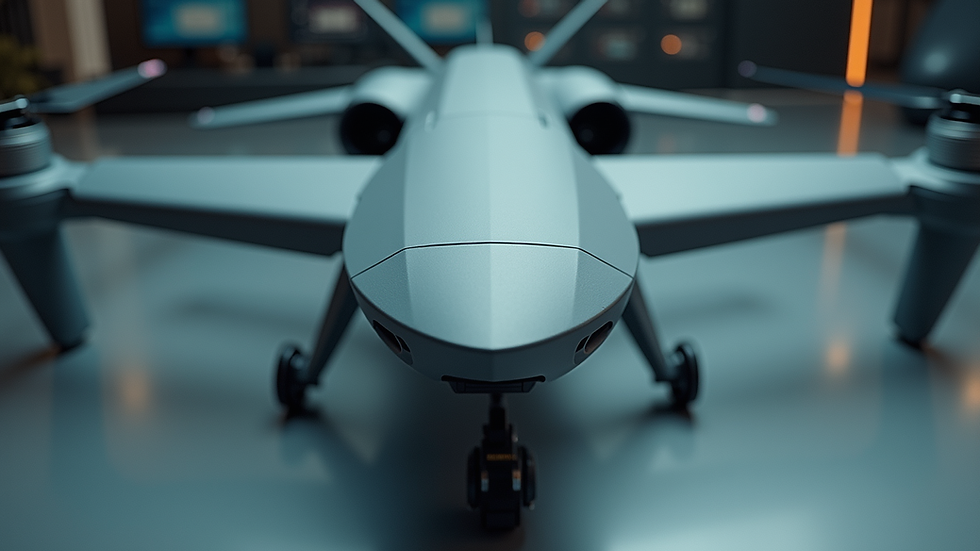
One of the most significant trends in military defense technology is the rise of autonomous systems. These systems, which include drones, unmanned ground vehicles (UGVs), and autonomous underwater vehicles (AUVs), are transforming how military operations are conducted.
Drones: The New Frontline Warriors
Drones have become a staple in modern warfare, offering capabilities that were once unimaginable. They are used for reconnaissance, surveillance, and even combat missions. For example, the U.S. military has deployed the MQ-9 Reaper drone, which can carry out precision strikes while minimizing risks to personnel.
Advantages of Drones:
- Reduced Risk: Operators can control drones from a safe distance, reducing the risk of casualties.
- Real-Time Intelligence: Drones provide real-time data, allowing for informed decision-making on the battlefield.
- Cost-Effective: Compared to manned aircraft, drones are generally less expensive to operate and maintain.
Unmanned Ground Vehicles
Unmanned ground vehicles are gaining traction in military operations, particularly for logistics and reconnaissance. The Army's THeMIS (Tracked Hybrid Modular Infantry System) is an example of a UGV designed to support troops by transporting supplies and conducting surveillance missions.
Benefits of UGVs:
- Versatility: They can be equipped with various payloads for different missions.
- Enhanced Safety: UGVs can operate in hazardous environments, keeping soldiers out of harm's way.
Advanced Weaponry and Defense Systems
As technology advances, so does the sophistication of weaponry and defense systems. The integration of artificial intelligence (AI) and machine learning is revolutionizing how weapons are developed and deployed.
Smart Weapons
Smart weapons, such as precision-guided munitions, utilize advanced targeting systems to improve accuracy and reduce collateral damage. The Joint Direct Attack Munition (JDAM) is a prime example, converting unguided bombs into precision-guided munitions.
Key Features:
- GPS Guidance: JDAMs use GPS for accurate targeting, significantly increasing hit probability.
- Cost Efficiency: They allow for the use of existing munitions while enhancing their effectiveness.
Missile Defense Systems
Missile defense systems have also seen significant advancements. The Aegis Ballistic Missile Defense System is designed to detect, track, and intercept incoming missiles, providing a critical layer of defense for naval forces.
Capabilities:
- Multi-Target Engagement: Aegis can engage multiple targets simultaneously, enhancing its effectiveness in combat scenarios.
- Integration with Other Systems: It works in conjunction with other defense systems, creating a comprehensive defense network.
Cybersecurity in Military Operations
As military technology becomes more interconnected, cybersecurity has emerged as a crucial component of defense strategy. Protecting sensitive information and systems from cyber threats is essential for maintaining operational integrity.
Cyber Defense Strategies
Military organizations are investing heavily in cybersecurity measures to safeguard their networks and data. This includes employing advanced encryption methods, conducting regular security audits, and training personnel in cyber hygiene.
Importance of Cybersecurity:
- Protection of Sensitive Data: Ensures that critical information remains confidential and secure.
- Operational Continuity: Prevents disruptions caused by cyberattacks, allowing for uninterrupted military operations.
The Role of Artificial Intelligence
Artificial intelligence is playing an increasingly vital role in military defense technology. From data analysis to autonomous systems, AI is enhancing decision-making and operational efficiency.
AI in Data Analysis
AI algorithms can process vast amounts of data quickly, providing military leaders with actionable insights. This capability is particularly valuable in intelligence gathering and threat assessment.
Applications:
- Predictive Analytics: AI can identify potential threats before they materialize, allowing for proactive measures.
- Enhanced Situational Awareness: By analyzing data from various sources, AI provides a comprehensive view of the battlefield.
AI in Autonomous Systems
AI is also integral to the functioning of autonomous systems. It enables drones and UGVs to navigate complex environments and make real-time decisions.
Benefits:
- Improved Efficiency: Autonomous systems can operate continuously without fatigue, increasing operational effectiveness.
- Adaptability: AI allows these systems to adapt to changing conditions and respond to unexpected challenges.
The Future of Military Defense Technology
As technology continues to advance, the future of military defense equipment looks promising. Innovations in materials science, robotics, and AI will likely lead to even more sophisticated systems.
Emerging Technologies
Several emerging technologies are poised to shape the future of military defense:
Quantum Computing: This technology has the potential to revolutionize data processing and encryption, making military systems more secure and efficient.
Biotechnology: Advances in biotechnology could lead to enhanced soldier performance and health monitoring systems.
Ethical Considerations
As military technology evolves, ethical considerations must also be addressed. The use of autonomous weapons raises questions about accountability and the potential for unintended consequences.
Key Questions:
- Who is responsible for decisions made by autonomous systems?
- How can we ensure that technology is used ethically and responsibly?
Conclusion
The advancements in military defense equipment technology are transforming the landscape of warfare. From autonomous systems to smart weapons and cybersecurity, these innovations are enhancing capabilities and improving operational efficiency. As we look to the future, it is essential to balance technological progress with ethical considerations to ensure that these advancements serve to protect and defend effectively.
The military's commitment to embracing new technologies will undoubtedly shape the future of defense, making it crucial for nations to stay ahead in this ever-evolving field. As we continue to witness these advancements, it is clear that the future of military defense will be defined by innovation, adaptability, and a focus on ethical responsibility.


Comments